
Create an ADHD homeschool setup that actually works. Learn how calm spaces, simple tools, and flexible layouts reduce overwhelm and improve focus for ADHD learners at home.

WORLD’S BEST HOMESCHOOL ESSENTIALS
Creating a homeschool setup for an ADHD child can feel overwhelming before you even begin.
One search online and you’re flooded with color-coded rooms, expensive furniture, and perfectly styled desks that look nothing like real life.
If you’ve tried copying those setups and still ended up with resistance, meltdowns, or avoidance, you’re not alone.
The truth is simple but often overlooked: an ADHD homeschool setup works best when it feels calm, predictable, and safe. Not when it looks impressive.
This guide breaks down what actually helps ADHD learners focus at home and what quietly makes learning harder, even when intentions are good.
Why an ADHD Homeschool Setup Needs to Be Different
ADHD brains process information differently. They take in more sensory input from their surroundings, which means the learning environment has a much bigger impact than many parents realize.
A traditional homeschool setup often assumes that:
- More materials equal better learning
- Visual stimulation keeps kids engaged
- Sitting still improves focus
For ADHD learners, these assumptions often backfire.
An effective ADHD homeschool setup supports regulation first. Focus comes later. When the nervous system feels settled, learning resistance naturally decreases.
ADHD Homeschool Setup Basics: Start With Calm, Not Control
Before adding anything to your homeschool space, the most important step is to remove unnecessary pressure. You don’t need to control every movement or force focus through strict rules. You need an environment that works with the ADHD brain.
A calm ADHD homeschool setup usually includes:
- Fewer visual distractions
- Predictable layout and routines
- Simple, accessible tools
- Flexible seating options
These elements help the brain shift into learning mode without feeling overwhelmed.
ALSO READ: Why Structured Focus Break Help ADHD Learners Stay Calm and Focused
How Visual Clutter Impacts ADHD Learners
Visual clutter is one of the most underestimated challenges in ADHD homeschooling.
When a child with ADHD looks at a desk covered in supplies, charts, and decorations, their brain doesn’t filter those items out.
Everything competes for attention. This makes starting feel harder and staying focused even harder.
A cluttered homeschool space can lead to:
- Task avoidance
- Emotional overwhelm
- Frequent breaks without progress
- Frustration for both parent and child
Reducing clutter is often the fastest way to improve an ADHD homeschool setup.
What to Remove From an ADHD Homeschool Setup First
Instead of asking what to add, start by asking what to remove.
Helpful things to remove include:
- Excess supplies that aren’t used daily
- Bright wall posters near the desk
- Too many open containers or bins
- Decorative items that don’t serve learning
Aim for a desk that holds only what’s needed for the current task. Everything else can be stored out of sight.
This small shift often leads to quicker settling and fewer power struggles.
Lighting and Seating Matter More Than Décor
An ADHD homeschool setup doesn’t need to be stylish, but it does need to be comfortable.
Harsh lighting, stiff chairs, or awkward desk heights can quietly increase restlessness. Many ADHD learners struggle to explain why they feel uncomfortable, so the discomfort shows up as resistance instead.
Supportive setups include:
- Soft natural light when possible
- Warm lighting instead of bright white bulbs
- Chairs with back support or cushions
- Foot support for smaller children
Comfort supports attention. When the body feels safe, the brain is more willing to engage.
Flexible Seating in an ADHD Homeschool Setup
Rigid desk rules often cause unnecessary battles.
Many ADHD learners focus better when they’re allowed to:
- Sit on the floor
- Use a cushion or bean bag
- Stand while working
- Shift positions during lessons
Flexible seating doesn’t reduce learning. In fact, it often improves it by allowing the child to regulate their body while staying engaged.
A flexible ADHD homeschool setup gives permission to learn in different ways without guilt.
Tools That Actually Help ADHD Kids Settle Faster
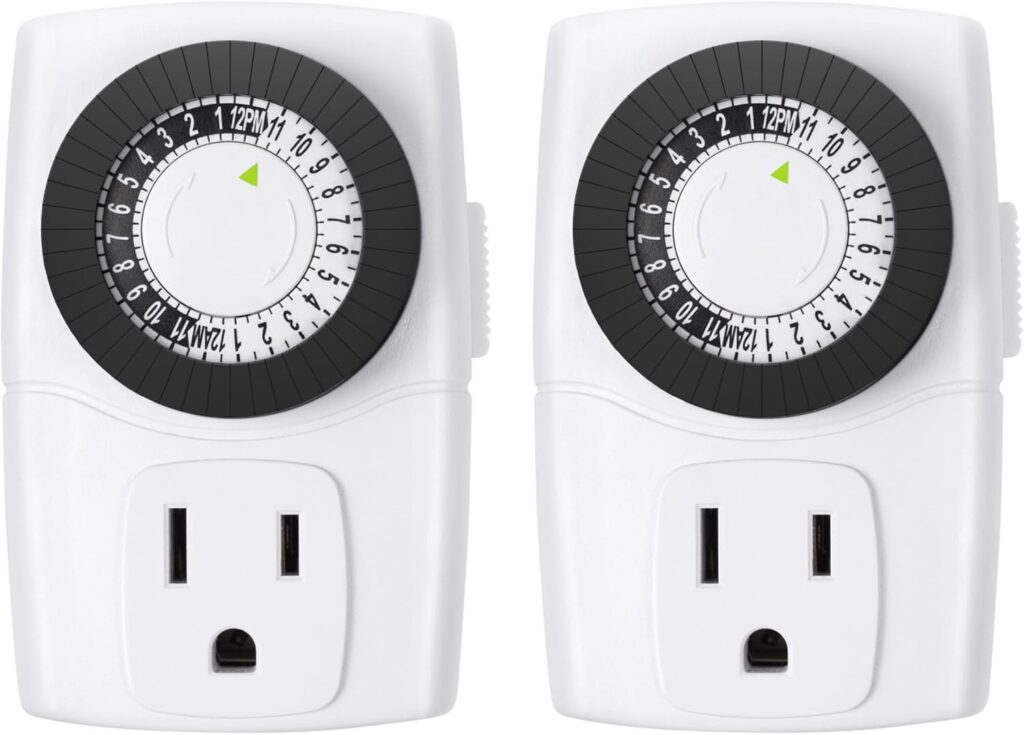
The Best Visual Timers at 63% OFF
Not all learning tools support ADHD learners. Some overstimulate rather than help.
The most effective tools are simple and calming:
- Visual timers to show time passing
- Neutral fidgets used intentionally
- Visual schedules or routine cards
- Checklists instead of verbal reminders
These tools reduce mental load and make transitions into learning smoother.
Avoid flashy or noisy tools that pull attention away from the task.
Why Transitions Are So Hard in ADHD Homeschooling
Many parents mistake transition struggles for defiance. In reality, transitions require stopping one activity, shifting attention, and starting something new. That’s a lot of executive function at once.
An ADHD homeschool setup can support transitions by:
- Using visual countdowns
- Keeping materials ready ahead of time
- Maintaining consistent routines
- Allowing short buffer moments
When transitions feel predictable, resistance decreases.
Creating Calm Start Routines for ADHD Homeschool Days
Mornings set the tone for the entire day.
A calm start routine helps ADHD learners feel safe and prepared. This doesn’t mean strict schedules. It means predictable sequences.
A gentle routine might include:
- Same start activity each day
- Visual reminder of what comes next
- Short, achievable first task
- Clear stopping point
An ADHD homeschool setup works best when mornings feel steady, not rushed.
Redefining Productivity in ADHD Homeschooling
One of the biggest mindset shifts parents need is redefining what productivity looks like.
Productivity for ADHD learners may include:
- Completing part of a task
- Staying regulated during learning
- Making steady progress over time
- Ending lessons without emotional exhaustion
A successful ADHD homeschool setup supports learning without demanding perfection.
How to Build an ADHD Homeschool Setup Without Burnout
You don’t need to redesign everything at once.
Start small:
- Clear the desk
- Adjust lighting
- Add one supportive tool
- Observe what changes
Let the setup evolve based on what works for your child, not what looks good online.
Consistency matters more than complexity.
Frequently Asked Questions
What is the best homeschool setup for ADHD learners?
The best ADHD homeschool setup is calm, predictable, and flexible. Fewer distractions, simple tools, comfortable seating, and clear routines support focus better than decorative or rigid setups.
Should ADHD kids sit at a desk to learn?
Not always. Many ADHD learners focus better with flexible seating like the floor, couch, or standing options. Comfort and regulation matter more than posture.
How do I reduce resistance during homeschool lessons?
Reducing visual clutter, using visual schedules, and creating predictable routines can significantly reduce resistance. Focus on regulation first, learning second.
Do expensive homeschool tools help ADHD focus?
No. Simple, low-stimulation tools are often more effective than expensive or flashy products. Overstimulation can increase distraction.
How often should I change my ADHD homeschool setup?
Only when something clearly isn’t working. Frequent changes can overwhelm. Small, intentional adjustments work best.
Conclusion: Keep the ADHD Homeschool Setup Simple and Supportive
An ADHD homeschool setup doesn’t need to impress anyone. It needs to support your child’s nervous system, attention, and emotional safety.
When you focus on calm spaces, predictable routines, flexible seating, and simple tools, learning becomes less of a battle. Progress may still look different day to day, but resistance decreases, confidence grows, and homeschooling feels more sustainable.
Start with one small change. Observe. Adjust gently.
That’s what actually works.
