
Learn how to build confidence in ADHD learners at home using proven, child-centered strategies that support emotional safety, motivation, and self-belief.
Helping a child with ADHD build confidence at home can feel harder than teaching math or reading. Confidence isn’t something you can force. It grows slowly through daily experiences, emotional safety, and small wins that actually matter to the child.
Many ADHD learners struggle not because they lack ability, but because they’ve heard too many “try harder” messages and not enough “you’re capable” ones. Over time, this chips away at self-belief. The good news is that home is the best place to rebuild that confidence in a steady, realistic way.

This guide explains how to build confidence in ADHD learners at home using practical strategies that work with their brain, not against it.
Free Focus Break Cards for ADHD Kids
Why Confidence Is Often Low in ADHD Learners
Before focusing on solutions, it helps to understand what impacts confidence in children with ADHD.
Most ADHD learners experience:
- Frequent correction instead of encouragement
- Struggles with focus that are mistaken for laziness
- Difficulty meeting traditional expectations
- Comparisons with siblings or peers
- Repeated academic or behavioral setbacks
Even very young children absorb these experiences. Over time, they may stop trying, avoid challenges, or label themselves as “bad at everything.” This isn’t a motivation issue. It’s a confidence wound.
Building confidence at home starts with changing the environment around the child, not changing who they are.
Daily Routine for an ADHD-Friendly Homeschool
Download & Print With 15 Quick Movement Breaks That Reset Focus
How to Build Confidence in ADHD Learners at Home Through Emotional Safety
Confidence can’t grow in a space where a child feels constantly evaluated. Emotional safety comes first.
Separate behavior from identity
Correcting behavior is necessary. Attaching it to who the child is, is damaging.
Instead of saying “You’re careless,” say “That part needs another look.”
This helps ADHD learners understand mistakes as fixable, not permanent.
Free Focus Break Cards for ADHD Kids
Allow mistakes without shame
ADHD brains learn through repetition and trial. If mistakes are met with frustration or disappointment, confidence shrinks quickly.
Normalize mistakes as part of learning. When children feel safe to fail, they stay willing to try.
Regulate before teaching
Confidence drops when a child is emotionally overwhelmed. Before correcting or instructing, help them calm down. A regulated brain can process feedback. A stressed one cannot.
How to Build Confidence in ADHD Learners at Home Using Strength-Based Learning
Many ADHD learners are taught to focus only on what they struggle with. This creates an imbalance that affects self-worth.
Identify real strengths
Strengths may not always be academic. They can include:
- Creativity
- Verbal skills
- Problem solving
- Curiosity
- Empathy
- Hands-on learning ability
Talk about these strengths out loud. When children hear what they do well, it reshapes how they see themselves.
Teach through strengths first
If a child loves building, drawing, or talking, use those strengths to introduce learning. Success creates confidence. Confidence leads to effort.
When ADHD learners feel capable in one area, they become more open to challenging areas.
How to Build Confidence in ADHD Learners at Home with Realistic Expectations
Unrealistic expectations quietly destroy confidence.
Break tasks into achievable steps
Large tasks feel impossible to many ADHD learners. Breaking work into small, clear steps makes success visible and achievable.
Instead of “Finish your assignment,” try:
- Write one sentence
- Take a short break
- Write one more
Each completed step reinforces “I can do this.”
ALSO READ: Why Choice Improves Learning for ADHD Students
Measure progress, not perfection
ADHD learners often improve in non-linear ways. Comparing today to yesterday is far more motivating than comparing them to others.
Point out growth, even if it seems small.
How to Build Confidence in ADHD Learners at Home Through Choice and Autonomy
Confidence grows when children feel some control over their learning.
Offer limited choices
Too many choices can overwhelm ADHD learners. Offer two or three clear options:
- Which subject first
- Where to sit
- Pencil or keyboard
Choice creates ownership. Ownership builds confidence.
Respect their pace
ADHD learners may need more time to start or finish tasks. Rushing often leads to shutdown, not productivity. Allowing a flexible pace helps them trust their ability to complete work.
How to Build Confidence in ADHD Learners at Home by Rethinking Praise
Praise matters, but only when it’s meaningful.
Focus on effort and strategies
Instead of praising results alone, highlight:
- Persistence
- Problem-solving
- Trying again after frustration
This teaches children that success comes from actions they can control.
Be specific
Vague praise feels empty. Specific feedback helps children understand what they did well and how to repeat it.
For example:
“I noticed you stayed with that task even when it got hard.”
How to Build Confidence in ADHD Learners at Home Using Consistent Routines
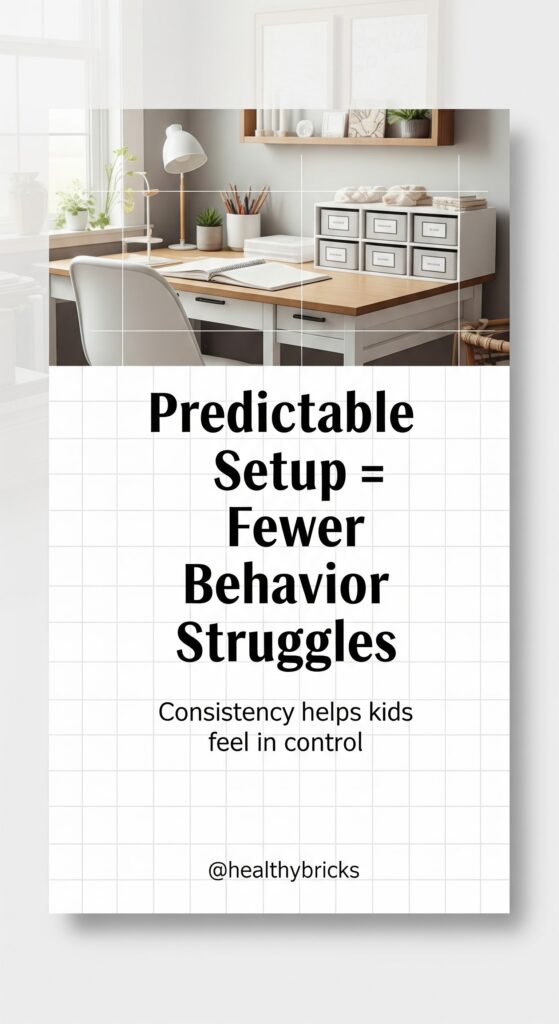
Predictability reduces anxiety, which supports confidence.
Create flexible routines
Routines don’t need to be rigid schedules. Simple anchors like:
- Morning rhythm
- Learning block
- Movement break
- Wind-down time
When children know what comes next, they feel more capable of navigating their day.
Build in recovery time
ADHD learners need breaks to reset their brain. Scheduled breaks prevent burnout and help children return to tasks feeling successful rather than defeated.
How to Build Confidence in ADHD Learners at Home Through Emotional Coaching
Confidence is closely tied to emotional awareness.
Name emotions
Help children label feelings like frustration, boredom, or overwhelm. When emotions are named, they feel manageable instead of scary.
Validate feelings without lowering standards
Validation doesn’t mean removing expectations. It means acknowledging emotions while still guiding effort.
For example:
“I see this feels hard. Let’s figure out one small step together.”
This approach teaches resilience without shame.
How to Build Confidence in ADHD Learners at Home by Celebrating Non-Academic Wins
Confidence shouldn’t depend only on schoolwork.
Notice daily successes
Celebrate things like:
- Trying a new food
- Completing a chore
- Managing emotions better
- Asking for help
These moments reinforce a positive self-image.
Reflect together
At the end of the day or week, ask:
- What went well?
- What felt easier than before?
Reflection helps children internalize progress.
Frequently Asked Questions
How long does it take to build confidence in ADHD learners at home?
Confidence develops gradually. Small changes in environment and communication can create noticeable shifts within weeks, but lasting confidence grows over months through consistency.
Can confidence improve even if ADHD symptoms remain?
Yes. Confidence is not about eliminating ADHD traits. It’s about helping children feel capable, supported, and understood while managing those traits.
What if my child resists encouragement?
Some children have learned to distrust praise due to past experiences. Keep feedback specific and genuine. Over time, trust builds.
Is homeschooling better for confidence in ADHD learners?
Homeschooling can help when it allows flexibility, personalized pacing, and emotional safety. However, confidence can be built in any learning environment with the right support.
Conclusion
Learning how to build confidence in ADHD learners at home is less about fixing weaknesses and more about changing experiences. Confidence grows when children feel safe, capable, and seen for who they are, not just how they perform.
By focusing on emotional safety, strengths, realistic expectations, and daily encouragement, parents can help ADHD learners rebuild trust in themselves. This confidence becomes the foundation for learning, resilience, and long-term independence.
Small changes, practiced consistently, can transform how an ADHD learner sees themselves. And that shift is often more powerful than any academic strategy.
