
If you’ve ever watched your child go from calm to completely overwhelmed in seconds, you know how intense ADHD meltdowns can feel.
One moment everything seems fine.
The next—crying, yelling, shutting down, or total chaos.
And the hardest part?
You’re trying your best… but nothing seems to work in that moment.
Here’s the truth most parenting advice skips:
ADHD meltdowns are not misbehavior. They’re neurological overload.
Understanding that changes everything.
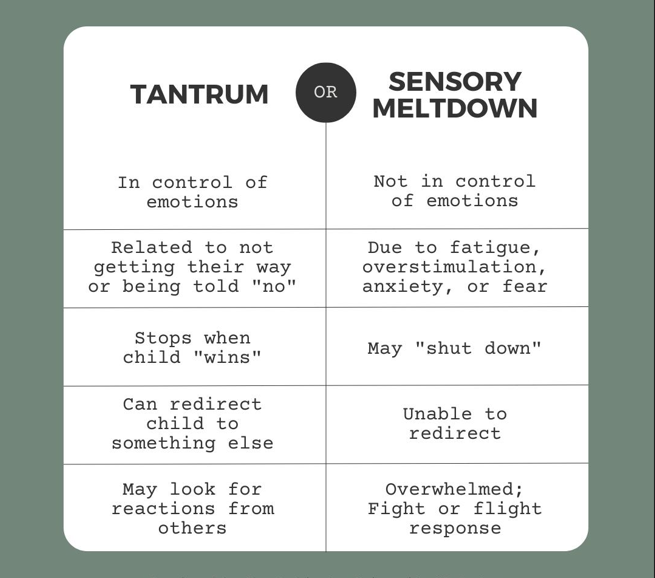
mage Courtesy: Washington University NF Center
What Is an ADHD Meltdown?
A meltdown is not the same as a tantrum.
A tantrum usually has a goal:
- “I want that toy”
- “I don’t want to leave”
- “I want control”
But a meltdown is different.
It’s more like:
- “This is too much”
- “I can’t process this”
- “My brain is overwhelmed”
Kids experiencing a meltdown aren’t choosing their reaction.
They’ve simply hit their limit.
In children with Attention Deficit Hyperactivity Disorder, that limit can come faster and more intensely than you might expect.
Why Kids With ADHD Have More Meltdowns
The root of it lies in something called Executive Function.
Download Executive Function Tool Kit Here
These are the brain skills that help with:
- Managing emotions
- Controlling impulses
- Shifting attention
- Handling frustration
For kids with ADHD, these systems are still developing—and often overwhelmed.
So when pressure builds up, their brain struggles to regulate itself.
Common triggers include:
- Sudden transitions (like stopping playtime)
- Sensory overload (noise, crowds, bright lights)
- Repeated corrections (“Stop that,” “Sit still”)
- Feeling misunderstood
- Mental exhaustion after school
What looks like a “small issue” to an adult can feel huge inside their nervous system.
ALSO READ: The Calm ADHD Blueprint: A Parent’s Guide to Raising Focused, Emotionally Balanced Kids
What ADHD Meltdowns Look Like
Every child is different, but ADHD meltdowns often show up as:
- Crying, screaming, or yelling
- Throwing objects or hitting
- Running away or hiding
- Saying hurtful words in the heat of the moment
- Completely shutting down (silent, frozen, withdrawn)
Some kids explode outwardly.
Others collapse inwardly.
Both are signs of overwhelm.
What’s Happening in the Brain During a Meltdown
When a meltdown happens, the brain shifts into survival mode.
- The emotional center (amygdala) becomes overactive
- The thinking brain (prefrontal cortex) goes offline
- Logic and reasoning stop working
This is why trying to “talk sense” into your child during a meltdown often fails.
They’re not ignoring you.
They literally can’t process what you’re saying in that moment.
What NOT to Do During ADHD Meltdowns
It’s easy to react out of frustration—but some common responses can actually make things worse:
- Long lectures
- Asking too many questions
- Raising your voice
- Punishing immediately
- Demanding instant calm
These approaches assume the child has control.
During a meltdown, they don’t.
What Actually Helps in the Moment
Instead of correcting behavior, focus on regulation first.
Here’s what works better:
1. Stay Calm (Even If It’s Hard)
Your calm nervous system helps regulate theirs.
2. Use Fewer Words
Simple phrases work best:
- “I’m here.”
- “You’re safe.”
- “We’ll figure this out.”
3. Reduce Stimulation
- Move to a quieter space
- Lower lights or noise
- Remove overwhelming triggers
4. Give Space (But Stay Close)
Some kids want comfort. Others need distance.
Follow their cues—but stay present.
5. Wait Before Teaching
A meltdown is not a teaching moment.
Wait until they’re calm to talk things through.
What Helps Reduce ADHD Meltdowns Over Time
Meltdowns don’t disappear overnight—but they can become less frequent and less intense.
Here’s what helps long-term:
Predictable Routines
Kids with ADHD feel safer when they know what’s coming next.
Transition Warnings
Give heads-ups like:
“5 more minutes, then we leave.”
Emotional Vocabulary
Teach words like:
- Frustrated
- Overwhelmed
- Tired
This helps them express instead of explode.
Movement Breaks
Physical activity helps regulate the nervous system.
Reduce Daily Overload
Sometimes fewer activities = fewer meltdowns.
The Shift That Changes Everything
Instead of asking:
“Why is my child acting like this?”
Try asking:
“What is overwhelming my child right now?”
That one shift moves you from reacting… to understanding.
And from there, everything changes:
- Your response becomes calmer
- Your child feels safer
- Meltdowns become easier to handle
When You Need Extra Support
If meltdowns are frequent, intense, or exhausting, you’re not alone.
Many parents find it helpful to follow structured approaches designed specifically for ADHD brains.
You can explore tools like:
- Parent-friendly ADHD guides
- Emotional regulation frameworks
- Step-by-step calming systems
For example:
- A 7-day ADHD calming blueprint
- Executive function skill-building systems
- Parent coaching programs
These can give you practical strategies that go beyond generic advice.
Final Thought
Your child is not trying to be difficult.
They’re trying to cope with a brain that gets overwhelmed faster than others.
And when you start seeing meltdowns as a signal—not a problem—
you respond differently.
With more patience.
More clarity.
And more confidence.
That’s where real change begins.
