
Discover the top benefits of homeschooling for kids and parents. Learn how flexible learning, real-life education, and stronger relationships make homeschooling a powerful alternative to traditional schooling.
For many families, education used to mean one thing: school building, fixed schedule, homework, exams, repeat.
But over the past decade, more parents have started asking a simple questioALSO READ: Challenges Of a Child With ADHD Faces in Homeschooling
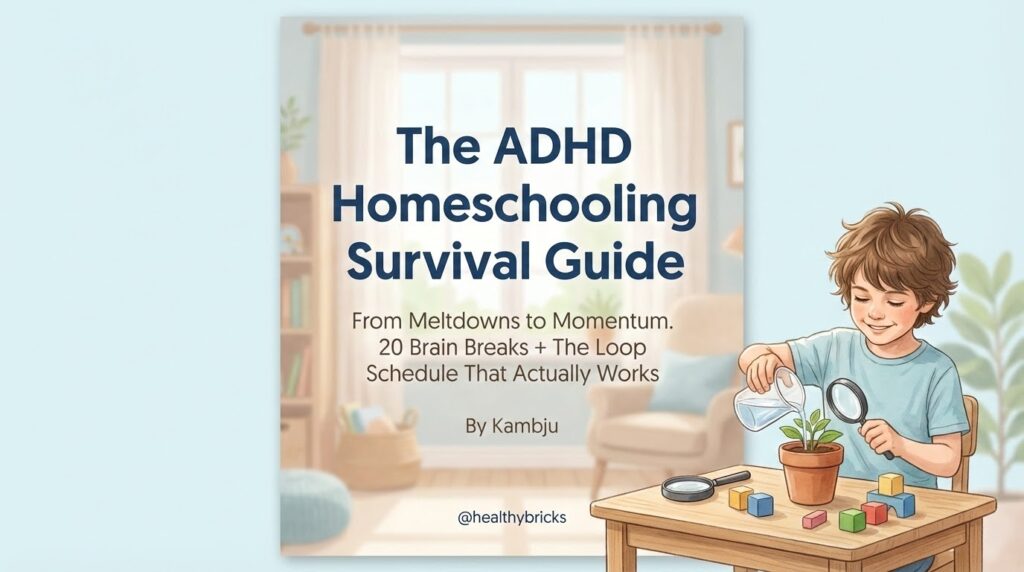
Is there a better way for my child to learn?
That question often leads them to the benefits of homeschooling.
Homeschooling is no longer rare or experimental. Millions of families across the world now educate their children at home. In the United States alone, the National Home Education Research Institute estimates over 3.7 million homeschool students, and the numbers continue to rise globally.
Why?
Because parents are discovering that learning does not have to look like a classroom to be effective.
Let’s explore three powerful benefits of homeschooling and why many families say homeschooling truly works.
1. Flexible Learning Pace: A Major Benefit of Homeschooling
One of the biggest benefits of homeschooling is that learning adapts to the child, not the timetable.
In traditional schools, teachers must teach 25 to 40 students at once. The lesson moves whether a child understands it or not. Fast learners get bored. Slow learners feel left behind.
Homeschooling removes that pressure.
Children learn at their natural speed
Some children grasp multiplication instantly. Others need hands-on practice for weeks. At home, both are perfectly fine.
Instead of racing through topics, parents can:
- Pause when the child struggles
- Repeat lessons without embarrassment
- Move ahead when the child is ready
- Explore deeper interests
Research from NHERI shows homeschool students often score 15 to 25 percentile points above public school averages in academic achievement tests. The reason is simple: understanding matters more than completing the syllabus.
Confidence replaces comparison
In school, children constantly compare themselves to peers.
At home, the comparison disappears.
The child learns for mastery instead of grades.
This single change often transforms students who once believed they were “bad at studying.”
Flexible pace is one of the strongest benefits of homeschooling for children.
2. Real-Life Learning: Practical Education Beyond Textbooks
Another reason why homeschooling is better for many families is that life itself becomes the classroom.
Children do not only learn from books. They learn from experience.
Everyday activities become lessons
Homeschooling turns ordinary routines into powerful teaching moments:
| Activity | What the child learns |
| Cooking | Fractions, chemistry, sequencing |
| Shopping | Budgeting, arithmetic, decision making |
| Gardening | Biology, patience, responsibility |
| Travel | Geography, culture, communication |
| Household tasks | Planning, independence, problem solving |
Instead of memorizing facts for an exam, children see how knowledge works in reality.
Knowledge retention improves
Educational psychology studies show experiential learning improves long-term memory retention.
When a child bakes a cake using measurements, fractions stop being abstract.
They become useful.
Parents often notice homeschool children ask more “why” and “how” questions. Curiosity increases because learning feels meaningful.
Real-world application is a major advantage of homeschooling vs traditional school.
3. Stronger Parent-Child Bond: Emotional Benefits of Homeschooling
Academic success matters, but emotional security matters just as much.
One overlooked benefits of homeschooling is the relationship it builds.
More communication, less conflict
Traditional schooling limits interaction to mornings and evenings. Most of the child’s mental energy goes into managing school demands.
Homeschooling changes the dynamic.
Parents observe:
- How their child thinks
- What frustrates them
- What excites them
- How they solve problems
Because parents guide learning, they become mentors instead of homework enforcers.
A safe space to fail
Children learn best where they feel safe making mistakes.
At home:
- No fear of classroom embarrassment
- No pressure to compete socially
- No labels like “weak student”
This emotional security leads to better academic risk-taking. Children try harder when failure isn’t punished socially.
A Harvard Graduate School of Education report highlights that emotional support significantly improves academic persistence. Homeschooling naturally provides this environment.
Strong relationships are an emotional benefit of homeschooling for both parents and children.
Homeschooling vs Traditional School: A Quick Comparison
| Factor | Traditional School | Homeschooling |
| Learning pace | Fixed | Flexible |
| Student attention | Shared | Individual |
| Curriculum | Standardized | Personalized |
| Social pressure | High | Low |
| Parent involvement | Limited | High |
| Real-life learning | Occasional | Daily |
This does not mean traditional schooling is bad. It simply means homeschooling suits families who want personalization and involvement.
Is Homeschooling Right for Every Family?
Homeschooling requires time, commitment, and planning. It is not effortless.
Parents must:
- Organize lessons
- Maintain consistency
- Balance work and teaching
- Encourage social interaction opportunities
However, many families find the long-term rewards outweigh the effort.
Conclusion
The benefits of homeschooling go far beyond academics.
It works because it changes three core elements of education:
- Pace – children learn when they are ready
- Experience – knowledge connects to real life
- Connection – relationships grow stronger
Education stops being a race and becomes a journey shared by parent and child.
For families seeking flexibility, understanding, and meaningful learning, homeschooling offers a powerful alternative to the traditional classroom.
Frequently Asked Questions (FAQ)
1. Do homeschool students perform well academically?
Yes. Multiple studies show homeschool students often score above national averages in standardized tests because learning focuses on mastery rather than memorization.
2. What about social skills in homeschooling?
Homeschooled children socialize through community groups, sports, clubs, and daily interactions. Socialization becomes more age-diverse rather than limited to same-age peers.
3. Is homeschooling legal everywhere?
Laws differ by country and region. Most places allow homeschooling with registration or reporting requirements. Parents should check local regulations.
4. Can working parents homeschool?
Yes, with flexible schedules, online curriculum, or shared teaching responsibilities. Many families combine part-time work and homeschooling successfully.
5. Is homeschooling expensive?
It can be low-cost or premium depending on materials chosen. Many families use free online resources, libraries, and community programs.
Final thought:
Homeschooling works not because it copies school at home, but because it redesigns learning around the child.
