
Challenges Of a Child With ADHD: Sensory overload is a major challenge for children with ADHD in homeschooling. This first-person blog post explains how noise, light, textures, and movement overwhelm an ADHD child and what parents can do to help.
A blog written from the voice of a child who wants to explain what it feels like, but struggles to put it into words
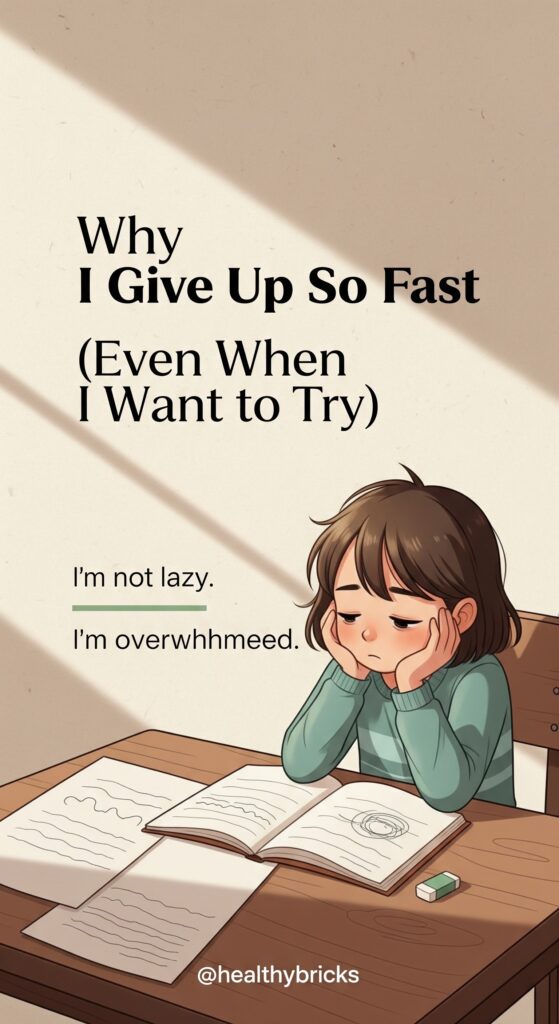
I Want to Learn. My Brain Just Feels Too Loud.
I am not trying to ignore you.
I am not trying to be difficult.
And I am definitely not trying to avoid learning.
But sometimes, my brain feels like every sound, light, and movement is shouting at me all at once.
I want to tell you this, but the words get stuck. So instead, I fidget. I cry. I shut down. Or I explode. From the outside, it may look like bad behavior. From the inside, it feels like drowning.
This is what sensory overload feels like for a child with ADHD during homeschooling.
What Sensory Overload Feels Like Inside My Head
When I sit down to learn at home, I am not just thinking about my lesson.
I hear the ceiling fan humming.
The TV in the other room feels too loud.
The sunlight on the wall hurts my eyes.
My clothes feel itchy.
Someone walking past me feels distracting.
All of this happens at the same time.
My brain does not know how to filter it out.
According to research on ADHD and sensory processing, many children with ADHD have difficulty regulating sensory input. This means sounds, lights, textures, and movement feel stronger and more intense than they do for other children.
So while homeschooling is supposed to be calmer than a classroom, sometimes home feels even louder.Why Sensory Overload Is a Real ADHD Homeschooling Challenge
Sensory overload happens when my brain receives more input than it can handle. Instead of focusing on one thing, everything comes in at once.
For a child with ADHD, this can lead to:
- Difficulty concentrating on lessons
- Emotional outbursts or sudden tears
- Physical discomfort or restlessness
- Avoidance of learning tasks
- Shutdowns where I stop responding
Studies suggest that a large number of children with ADHD also experience sensory processing difficulties. These challenges are linked to executive function struggles and emotional regulation issues, especially in learning environments.
This is not a lack of discipline. It is neurological overload.
Challenges Of a Child With ADHD: What You See vs What I Feel
You may see:
- Me leaving my chair again and again
- Me covering my ears
- Me refusing to write or read
- Me saying “I can’t do this”
But what I feel is:
- My head is buzzing
- My body feels uncomfortable
- My thoughts are racing
- I am trying to escape the noise
When sensory overload hits, learning becomes impossible. My brain switches from learning mode to survival mode.
How Homeschooling Can Accidentally Increase Sensory Overload
Homeschooling happens in a real home, not a controlled classroom. That means:
- Multiple family members moving around
- Background noise from daily life
- Bright lights or screen exposure
- Changing textures like furniture, clothes, or materials
Without realizing it, the learning space can overwhelm my senses before the lesson even begins.
This is why sensory overload is one of the most overlooked homeschooling challenges for children with ADHD.What Helps Me, Even If I Can’t Ask for It
I may not be able to explain what I need, but here are things that help my brain calm down.
A Quiet, Predictable Learning Space
When my learning space stays the same every day, my brain feels safer. Fewer surprises mean less overload.
Softer Lighting
Bright lights make it harder to think. Natural light or warm lamps feel easier on my eyes.
Comfortable Clothes and Seating
Scratchy fabrics or hard chairs distract me more than you think. Comfort helps me focus.
Less Talking During Tasks
When I am working, extra instructions or conversations add to the noise inside my head.
Breaks Before I Melt Down
I need breaks before I look overwhelmed. Once overload hits, it takes time to recover.
Research shows that sensory-friendly environments significantly improve attention and emotional regulation in children with ADHD.
Why I Shut Down Instead of Speaking Up
You may wonder why I don’t just say, “This is too much.”
The truth is, when sensory overload happens, my brain loses access to words. I cannot explain what hurts or why I feel upset. Talking feels like one more task I cannot manage.
This is why patience matters more than questions in those moments.What I Wish You Knew as My Teacher and Parent
I want to learn.
I want to do well.
I want to make you proud.
But my brain works differently.
If I seem overwhelmed, it is because my senses are overloaded, not because I don’t care. When you help me feel safe and calm, my learning comes back.
Homeschooling gives us a chance to build a space that works with my brain instead of against it.
Frequently Asked Questions About Sensory Overload and ADHD Homeschooling
Is sensory overload common in children with ADHD?
Yes. Many children with ADHD experience heightened sensitivity to sound, light, touch, and movement.
Can sensory overload affect learning ability?
Absolutely. When the brain is overwhelmed, it cannot process information effectively.
Does sensory overload mean my child has another condition?
Not necessarily. Sensory processing challenges often coexist with ADHD without a separate diagnosis.
Can sensory overload improve with support?
Yes. With environmental adjustments, routines, and understanding, children can better manage sensory input.
Final Thoughts From a Child Who Is Trying Their Best
I may not always explain what is wrong.
I may not always react calmly.
But I am trying.
If you listen to my behavior instead of fighting it, you will hear what I cannot say.
Sensory overload is one of the hardest challenges I face while homeschooling with ADHD. When you help quiet my world, you help my mind learn.
And that means everything to me.
